

grey tinted glass
Understanding Bore Gauge Standard Sizes Bore gauges are essential tools in the world of precision engineering and manufacturing. They are used to measure the inner diameters of cylindrical parts, such as pipes, holes, and other similar components. Accurate measuring is crucial in a variety of applications, from automotive to aerospace, ensuring that parts fit together correctly and function effectively. One critical aspect of using bore gauges effectively is understanding the standard sizes available, which can significantly influence measurement accuracy and ease of use. What is a Bore Gauge? Before delving into standard sizes, it is vital to comprehend what a bore gauge is. A bore gauge typically consists of a measurement head with a dial indicator and a set of expanding arms or probes. When inserted into a bore, these arms expand to touch the inner walls of the bore. The dial indicator then provides a reading of the diameter. Bore gauges can be classified into different types, including 1. Mechanical Bore Gauges These gauges rely on mechanical components to indicate measurements. 2. Electronic Bore Gauges These use electronic circuits and displays to provide digital readings, often with increased accuracy. Standard Sizes of Bore Gauges Bore gauges come in a range of standard sizes to cater to various applications and specifications. The sizes are usually defined in terms of the diameter range that the gauge can measure. Here’s a breakdown of common standard sizes 1. Small Bore Gauges These are designed for measuring small diameters, typically ranging from 1 mm to 25 mm (approximately 0.04 inches to 1 inch). Small bore gauges are commonly used in industries such as precision tooling and small-engine manufacturing. 2. Mid-Sized Bore Gauges These gauges usually cover a diameter range from 25 mm to 100 mm (1 inch to 4 inches) . They are more versatile, suited for a variety of applications including automotive parts and larger machinery. bore gauge standard sizes 3. Large Bore Gauges For measuring larger inner diameters, gauges in the range of 100 mm to 300 mm (4 inches to 12 inches) are common. These are often used in construction and heavy industry where large pipes and components are standard. 4. Specialized Bore Gauges Some applications require specialized bore gauges that can measure even larger diameters or specific geometries. These gauges may have custom sizes developed for unique industrial needs. Importance of Selecting the Right Size Choosing the correct bore gauge size is critical for ensuring accurate measurements. Using a gauge that does not fit within the range of the bore can lead to incorrect readings, which in turn may result in defective fits and assembly failures. In industries where precision is non-negotiable, the selection of the correct size is paramount. Misalignment due to improper measurements can lead to increased wear, malfunction, and safety hazards. Calibration and Maintenance Apart from size considerations, it is essential to calibrate bore gauges regularly to maintain their accuracy. Calibration should be performed according to manufacturer recommendations and industry standards. Proper maintenance, such as cleaning and storing the gauges correctly, also extends their lifespan and ensures measurement reliability. Conclusion Understanding bore gauge standard sizes is fundamental for anyone involved in precision measurement and manufacturing. By selecting the appropriate size and maintaining the equipment, professionals can ensure high levels of accuracy and quality in their work. As technology continues to evolve, so too do the designs and functionalities of bore gauges, making them an indispensable tool in modern engineering and manufacturing processes.
about
grey tinted glass
Understanding Long Gauge Pins Precision Engineering in Measurement In the realm of precision engineering, accuracy is paramount, especially when it comes to measurements that ensure the integrity of manufacturing processes. One of the crucial tools that engineers and machinists rely on is the long gauge pin. This article will explore what long gauge pins are, their applications, advantages, and importance in various industries. What Are Long Gauge Pins? Long gauge pins, often referred to as gauge pins or setting plugs, are precision tools used to measure and align components in manufacturing and assembly processes. Typically made from high-quality steel or other durable materials, these pins feature a cylindrical shape with a precise diameter that is used for measuring hole sizes and ensuring the proper fit between components. The term long refers to the extended length of the pins, which allows them to be utilized in deeper holes and more complex assemblies. Standard lengths can vary, but they generally extend beyond the typical reach of shorter pins, providing additional versatility in measurement applications. Applications of Long Gauge Pins Long gauge pins are utilized across various industries, including automotive, aerospace, electronics, and manufacturing. Their primary applications include 1. Quality Control In production environments, long gauge pins are essential for measuring the internal dimensions of machined components. They help in assessing whether parts meet specified tolerances. 2. Tool Setup Machinists use these pins to set up tools and fixtures accurately. By inserting a long gauge pin into a hole, they can ensure that tools are correctly aligned and adjusted, thus reducing the risk of errors during machining operations. 3. Assembly Verification In assembly lines, long gauge pins are used to verify the fit and alignment of parts. This is particularly important in complex assemblies, where any misalignment can lead to functional issues. 4. Gage Blocks Long gauge pins can be employed alongside gage blocks, serving as calibration tools in the assessment of precision instruments. This ensures that measurement tools remain accurate over time. long gauge pins Advantages of Using Long Gauge Pins The use of long gauge pins in manufacturing and engineering offers several advantages - Precision and Accuracy Long gauge pins are manufactured to high tolerances, which means they provide reliable measurements. This precision is essential for ensuring that parts fit together correctly in assemblies. - Versatility Their extended length allows long gauge pins to be used in a variety of applications, making them suitable for different industries and processes. - Durability Made from robust materials, these pins can withstand the rigors of industrial environments, ensuring a long service life with minimal wear. - Ease of Use Long gauge pins are generally straightforward to utilize, making them an accessible tool for both seasoned professionals and those new to precision engineering. Importance in Different Industries In the automotive industry, long gauge pins play a critical role in ensuring that engine components and assembly parts fit together with the necessary precision. In aviation, where safety is paramount, these tools help maintain stringent quality control standards. In electronics manufacturing, accurate measurements are vital for ensuring that components function correctly, reducing the likelihood of defects. Furthermore, the ever-growing trend towards automation and precision manufacturing underlines the necessity for tools like long gauge pins. As machines become more advanced and integrated with technology, the need for accuracy in measurements becomes even more crucial. Conclusion Long gauge pins are an indispensable tool in the world of precision engineering and manufacturing. Their ability to provide accurate measurements, ensure proper alignment, and contribute to quality control makes them invaluable in various industries. As technology continues to evolve, the importance of such precise tools will only grow, underscoring the need for high-quality engineering practices. Whether in automotive assembly, aerospace manufacturing, or high-tech electronics, long gauge pins will remain a cornerstone of precision measurement and engineering excellence.
-

High quality industrial productsagement

High quality industrial products
View Details -

Meet the diverse needs of customers

Meet the diverse needs of customers
View Details -

Strict quality control

Strict quality control
View Details -

Top raw materials

Top raw materials
View Details -

Trusted supplier

Trusted supplier
View Details
Our application

news and information

Wholesale Solutions for Valve Supply and Distribution in Various Industries
Understanding Valve Wholesale A Comprehensive Overview In the industrial world, valves play a crucia
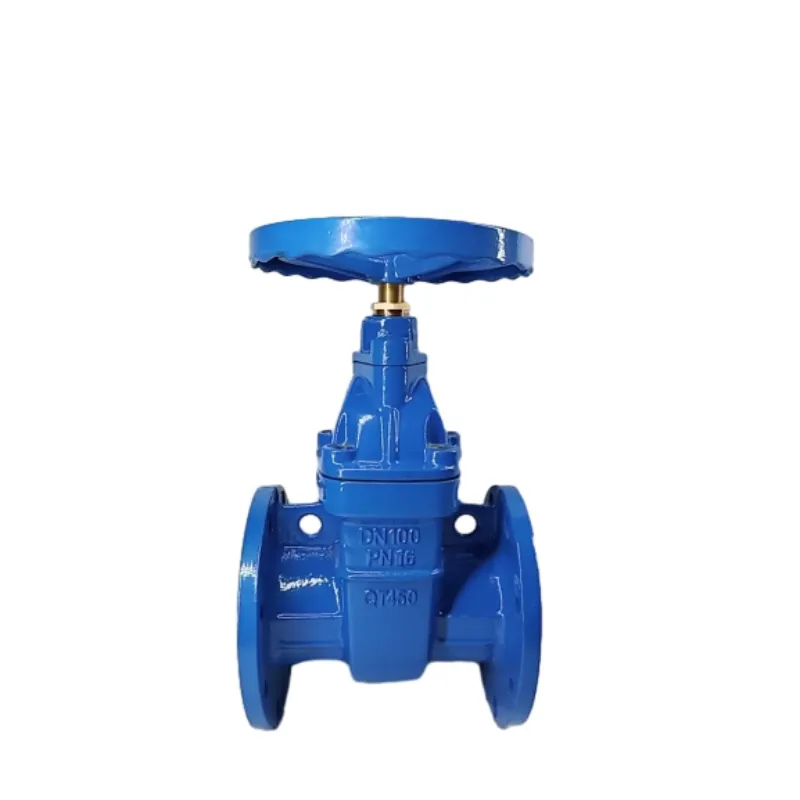
Water Cut-Off Valve for Efficient Flow Control and Leak Prevention in Plumbing Systems
Understanding Water Cut-Off Valves A Crucial Component in Modern Water Management Water cut-off valv
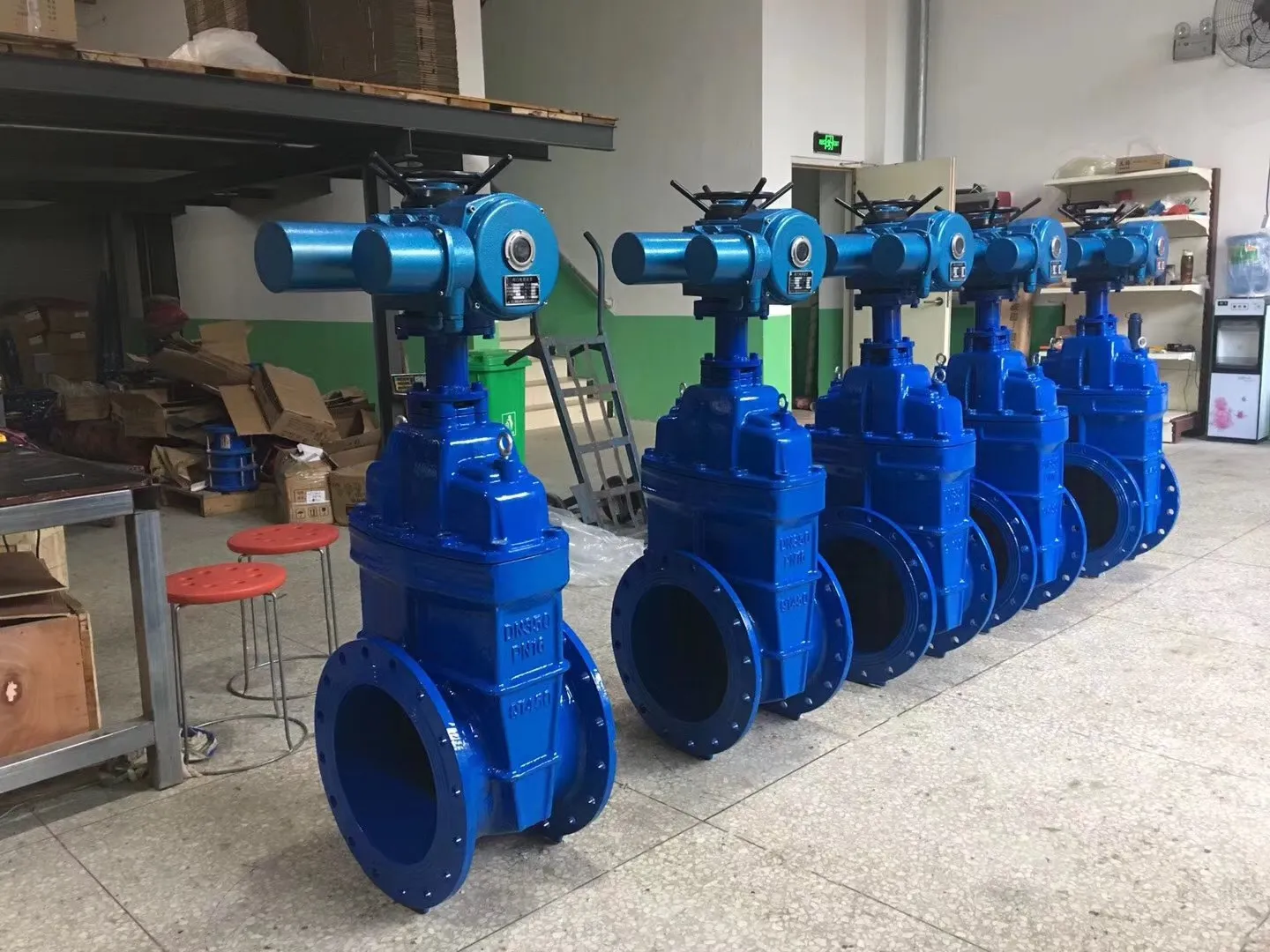
various types of control valves
Various Types of Control Valves Control valves are critical components in a range of engineering app
 English